
EVERY INDUSTRY
HAS ITS OWN
CONSTRAINTS.
WE BUILD THEM
INTO THE PROJECT.
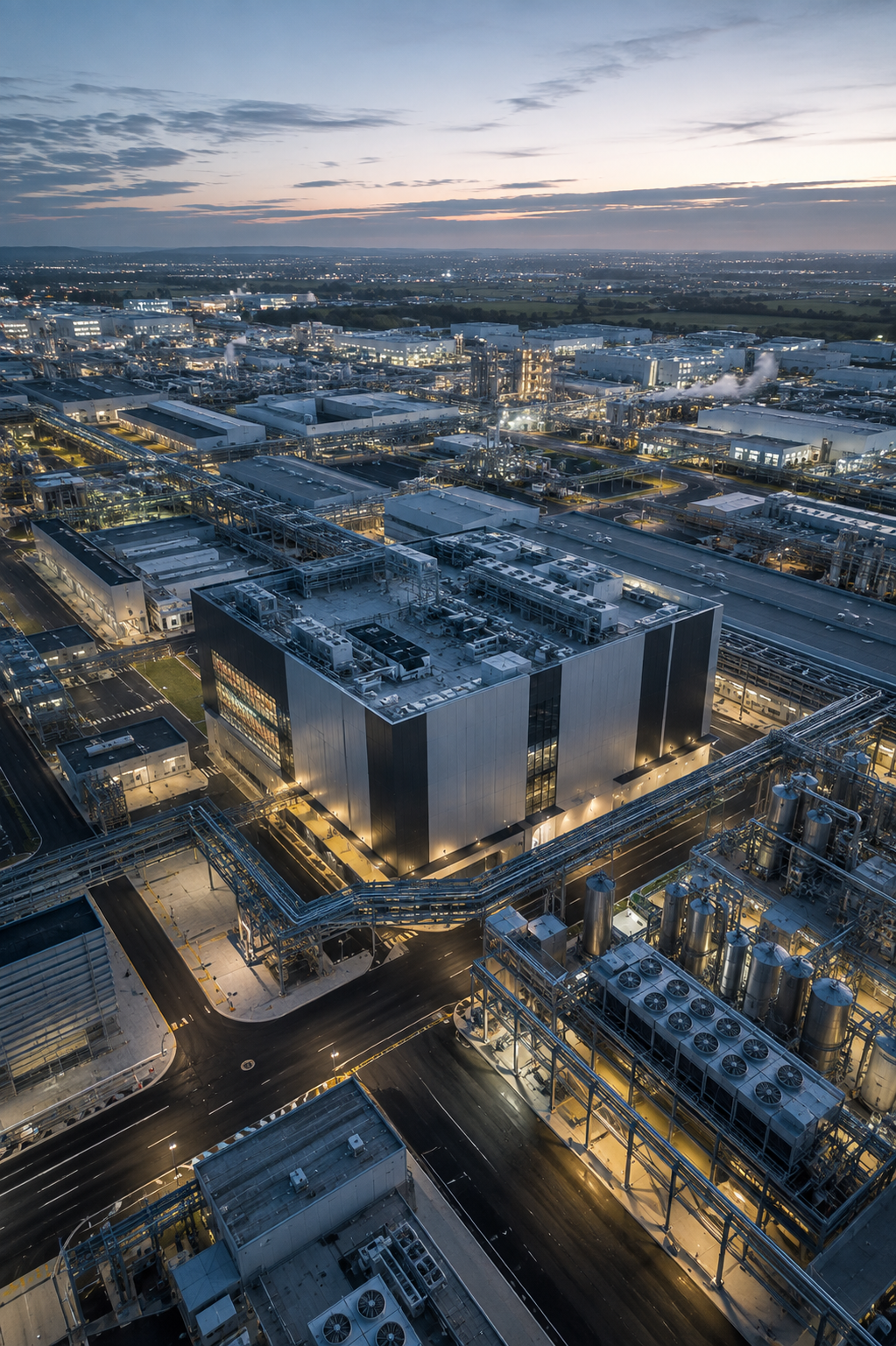
It defines the constraints that must be considered from the earliest project decisions: production, compliance, quality, safety, operations and interfaces.
LIFE SCIENCES
& CONTROLLED
ENVIRONMENTS
MANUFACTURING
INDUSTRIES
& PROCESSING
HIGH TECHNOLOGY
& COMPLEX
INFRASTRUCTURE
DIFFERENT SECTORS, GROUPED BY THE CONSTRAINTS THAT TRULY SHAPE ENGINEERING DECISIONS.
& CONTROLLED
ENVIRONMENTS
WHEN
COMPLIANCE
SHAPES
THE PROJECT.
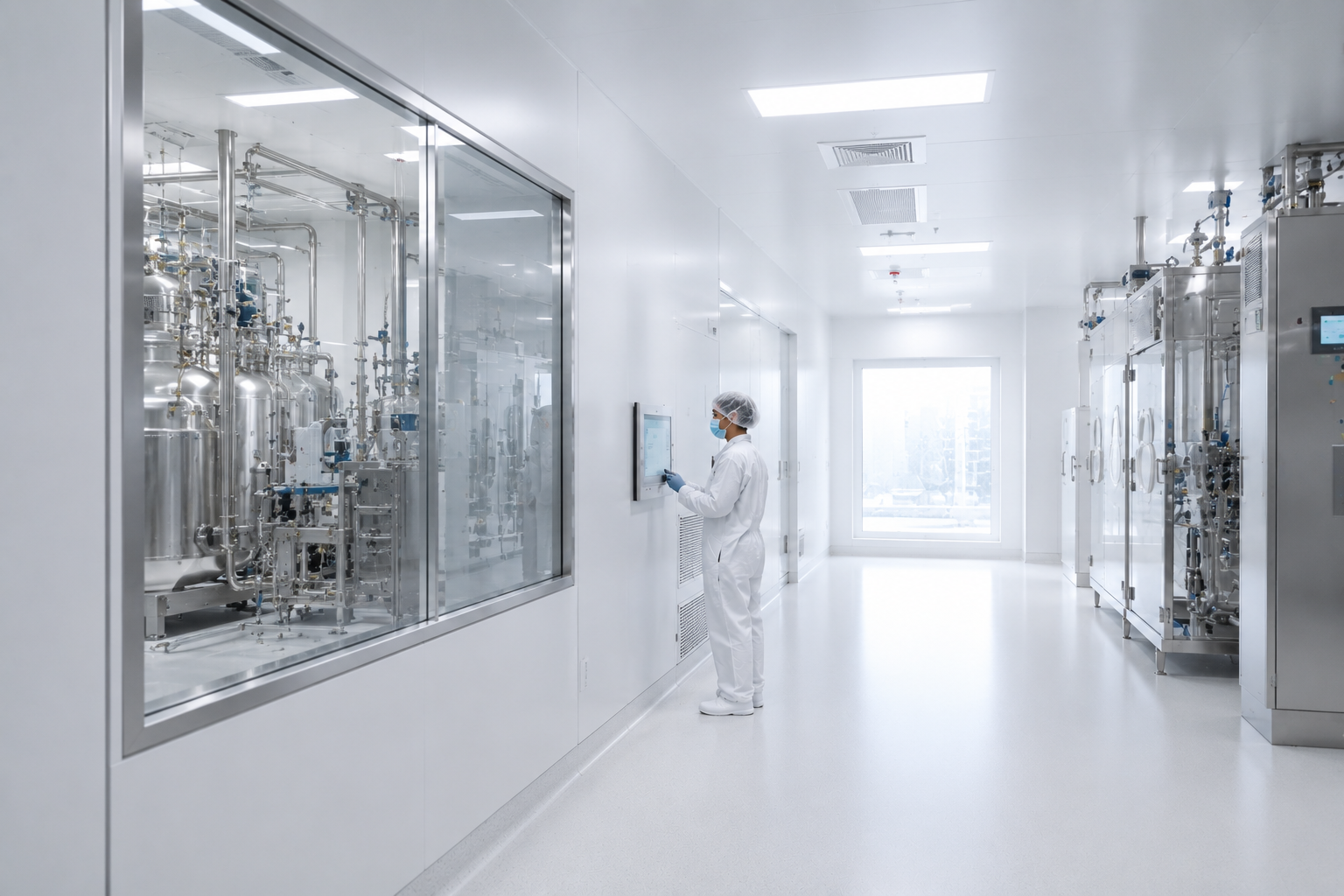
From the earliest stages, it influences design choices, flows, environmental conditions, utilities, equipment, interfaces and the way the facility will need to operate.
CONTROL
THE CONDITIONS.
Temperature, humidity, pressure, air quality and cleanliness levels become design parameters in their own right.
INTEGRATE
THE PROCESS.
Equipment, utilities and flows must be considered together to maintain consistency between the process and its environment.
PREPARE FOR
COMPLIANCE.
Technical choices, documentation and the qualification strategy must remain aligned with the requirements applicable to the project.
DESIGN FOR
OPERATIONS.
Maintainability, accessibility, cleaning, interventions and operational continuity must be anticipated from the design stage.
COMPLIANCE IS NOT AN EXTRA LAYER ADDED TO THE PROJECT. IT IS PART OF ITS DESIGN.
PRODUCTION
INDUSTRIES
& PROCESSING
WHEN
PRODUCTION
SETS THE PACE.
THE PROJECT MUST
ADAPT.
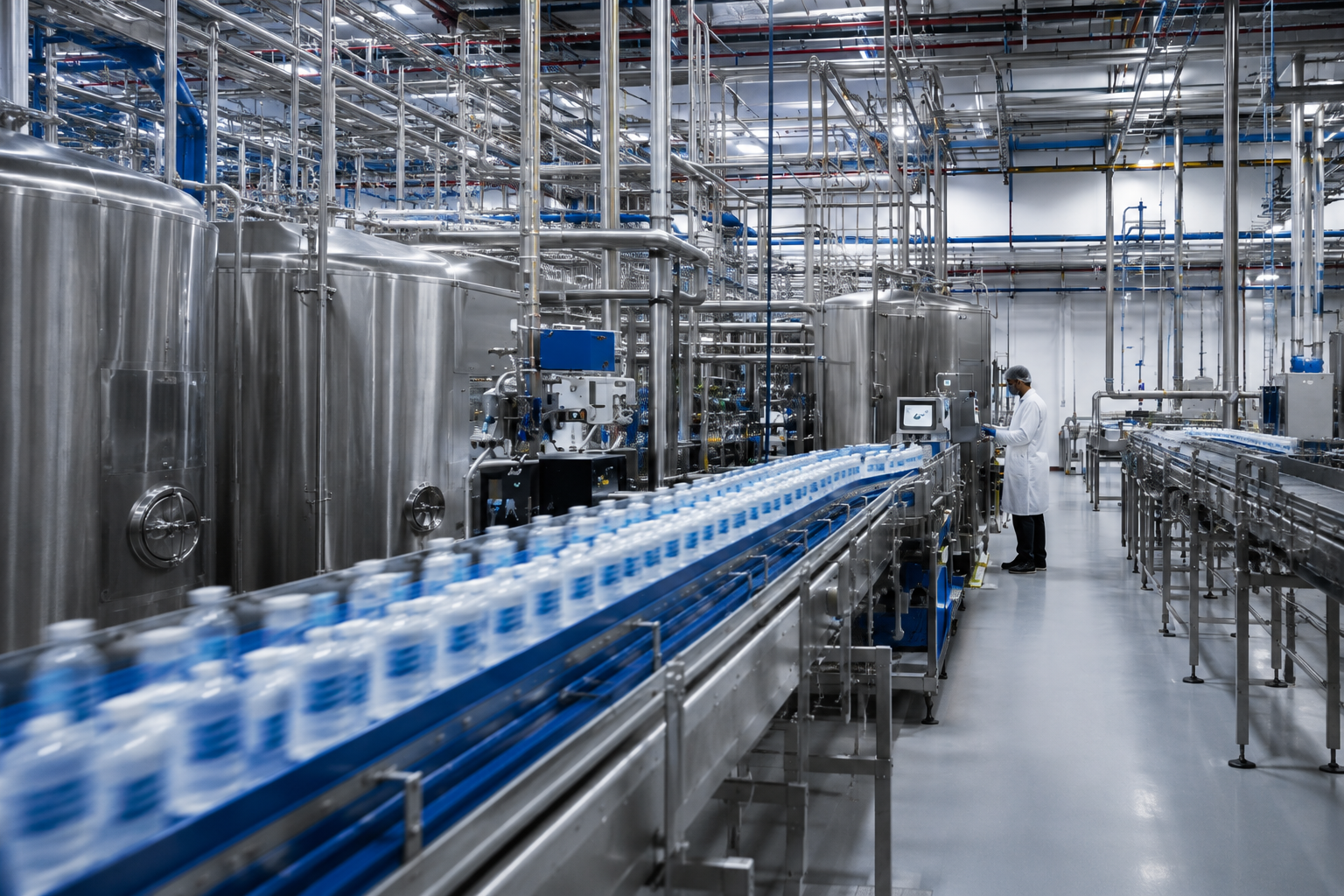
It must integrate with production rates, equipment, utilities and site flows, while taking into account interventions, industrial milestones and real operating conditions.
KEEP
THE PACE.
Production rates, milestones, resources and supplies must be integrated into the planning to build a realistic and genuinely executable programme.
MAKE IT ALL
WORK TOGETHER.
Process, equipment, utilities, buildings and infrastructure must be considered together to maintain the consistency and performance of the industrial facility.
CONTROL
THE INTERFACES.
Access, deliveries, connections, concurrent activities and dependencies between work packages must be anticipated to prevent them from becoming critical constraints during execution.
PREPARE
FOR START-UP.
Testing, commissioning sequences and operating conditions must be prepared early enough to ensure a controlled transition from installation to operation.

& COMPLEX
INFRASTRUCTURES
WHEN EVERY
SYSTEM DEPENDS
ON THE OTHERS.
ENGINEERING MUST
HOLD IT ALL
TOGETHER.
Power, cooling, networks, automation, structures, equipment and operations must be considered as one coherent system.
A poorly managed interface can become a constraint on capacity, availability, maintainability or future project development.
SIZE IT
RIGHT.
Requirements, reserves, scalability and future scenarios must be integrated without creating unnecessary oversizing or additional constraints.
PROTECT
AVAILABILITY.
Maintenance, interventions and future changes must be anticipated without compromising the overall operation of the facility.
CONTROL
THE INTERFACES.
Power, cooling, networks, automation, structures and equipment must converge within a genuinely coordinated technical architecture.
PREPARE FOR
COMMISSIONING.
Testing, functional sequences, changeovers and operating conditions must be anticipated early enough to prepare the transition into real operating conditions.
THE RIGHT PROJECT
STARTS WITH
THE RIGHT CONTEXT.
THE REST
IS BUILT FROM THERE.
LET’S TALK ABOUT
YOUR ENVIRONMENT.
AND YOUR PROJECT.
Production, compliance, availability, interfaces or operations: every industrial environment comes with its own priorities.
We start by discussing your actual constraints to understand where engineering can bring the most value to the project.
LET’S TALK ABOUT YOUR PROJECT